Facial Treatment Essence
Our iconic essence for Crystal Clear Skin, loved by millions of women around the world
Limited time only: buy one now and get one free.
SKINCARE 101
Visibly reducing pores to reveal a refined, youthful complexion.
By Yumi Narasaki
Renowned Beauty Writer

Everyone wants smooth, flawless-looking skin. Here’s our list of proven methods derived from SK-II’s cutting-edge research to tighten pores and improve your skin texture!
Dr. Naoki Miyamoto, a P&G research scientist says, “We have a unique method for examining and measuring the skin with a special device commonly used for skin examinations at our SK-II retail stores. With this skin-check device, we successfully collected the data of 700,000 participants. The findings revealed that the size of skin pores is larger in the morning than at night.
So what causes large pores on the face? This can be attributed to the presence of sebum embedded in the pores, causing its opening to appear larger in the morning. One way to get around this problem is to take a shower at night to rinse off this accumulation of sebum. Another reason for the enlarged pores to appear on the face is that the force of gravity causes the skin to become looser when we lie down at night.
When another measurement was taken after washing the face in the morning, the pore size was significantly smaller. Hence, we conclude that facial cleansing does tighten up the pores.”
While the skin’s pore size may appear larger at night, they are larger in the morning. Regardless, a more thorough cleansing of your face will help to shrink, minimise and tighten the pores on your face.

“Beyond the new knowledge that pore sizes are larger in the morning than at night, the skin-check data also revealed that the skin’s pore size changes from day-to-day and throughout the day! It is only through proper daily moisturisation care that we can reduce the variance of this daily fluctuation, and also minimise the size of the pores.” (Dr. Miyamoto)
When it comes down to caring for our pores, we often pay more attention to cleaning the grime from our pores. However, we now know that the focus should not be just on cleansing, but also on having good moisturisation care with proper cleansing. This is especially effective in minimising and shrinking your pores.
Our iconic essence for Crystal Clear Skin, loved by millions of women around the world
Limited time only: buy one now and get one free.
How does dry skin affect the formation of pores on your face? Sebum secretion is a natural process that helps protect the skin. However, excessive production of sebum will lead to enlarged pores and acne problems. Ironically, it is precisely the lack of moisture that causes the body to produce more sebum as a means of preventing moisture loss, which in turn results in spots and visible pores. This vicious cycle of dry skin and pores can only be halted when the skin’s moisture level is replenished.
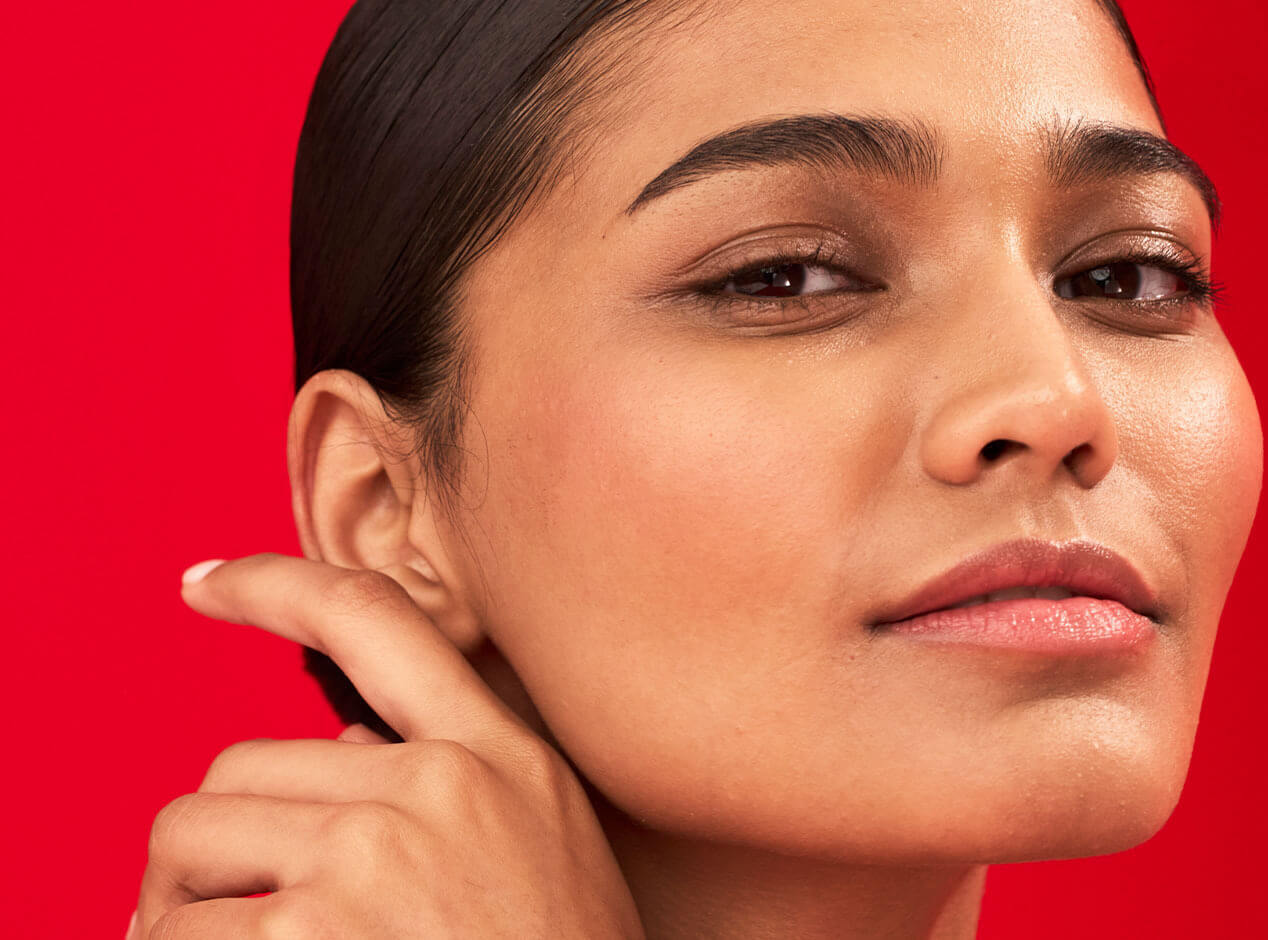
We all have different skin types, pore sizes, and even pore characteristics; this identifies us as unique individuals. However, one thing that remains universally true is that those who experience excessive sebum production will have oily and acne-prone skin, leading to a higher likelihood of open pores.
Ultraviolet A-waves penetrate deep into the skin layers and destroy the two key ingredients we need in order to maintain skin firmness – collagen and elastin. The result of the UV damage is saggy skin with open pores, lacking elasticity and suppleness.
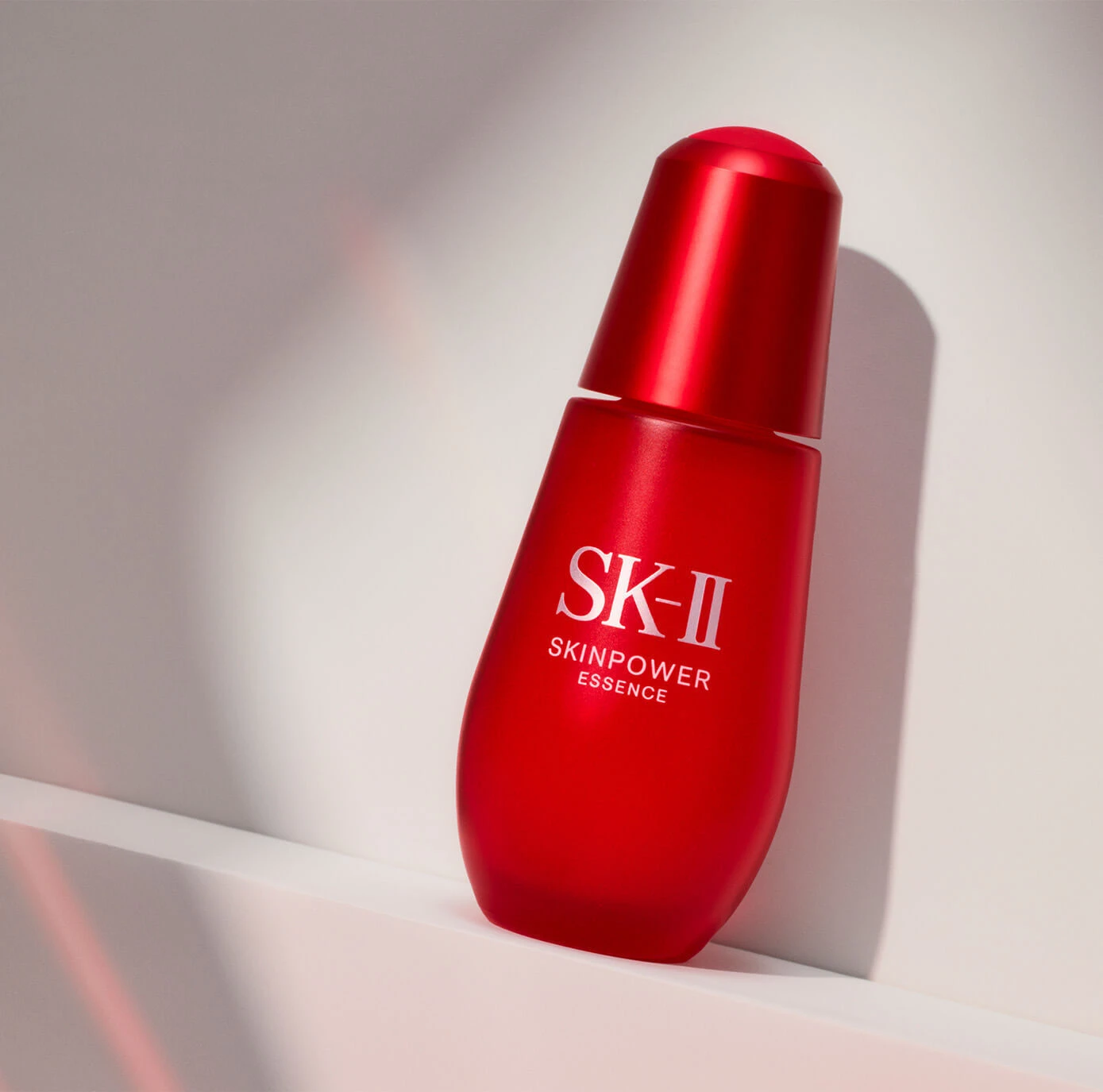
An airy light moisturizer for a youthful, healthy look.
Some causes of open pores are, unfortunately, beyond our control to prevent. Some examples include hereditary conditions or the natural process of aging. Over time, the elastic tissues and protein get depleted and skin loses its firmness. Skin becomes slack and pores begin to become more visible.
Quality sleep, even power naps, allow the skin to repair and recover from the stress and damages it experienced throughout the day. If you lack adequate or proper sleep, the compounded effects of skin dryness, moisture loss, and open pores will result in dull and lackluster skin.
The excessive intake of sugar is another unhealthy lifestyle habit. Sugar damages the skin by cross-linking collagen fibers and this compromises the skin’s collagen and elastin function, rendering the skin stiff and inelastic. Since increased sugar consumption affects the creation of collagen and elastin, the skin becomes more prone to open pores and sagging.
Lastly, we need to pay constant attention to our skin’s sebum production and manage our own skincare diligently.

With the revelations gleaned from our independent research study, here are some effective ways to reduce large pores on the face and tighten pores. These may seem like mere ordinary skincare steps, but they are immensely useful in revitalizing your skin’s appearance to create visibly smooth and youthful-looking skin.
Thorough cleansing removes excess sebum, the culprit behind open and visible pores. Improper cleansing that leaves dirt and grime could lead to keratinized skin and blackheads. Select a facial pore cleanser that works best for your skin, one that removes unwanted residues completely but also retains moisture. You may even benefit from having a different pore minimiser – one for the day and another that works better for you in the night. The aim is to keep your skin clean, hydrated, and with a proper balance of moisture and oil content in the skin.
Remember not to rub your skin, even if you have blackheads and clogged pores that concern you. The more pressure you apply, the more visible these pores and blackheads will become! Warming the skin with a hot towel prior to washing your face will help dislodge some of this unwanted debris and unclog your pores. Then wash and pat dry gently.
The skin renewal cycle creates new keratinized cells that move up towards the skin’s outermost layer (stratum corneum) to replace the older keratin layers as they peel away. Since factors such as aging, reduced metabolism and exposure to UV rays slow down this keratinized cell formation, taking active control of your skin’s texture by focusing on cleansing and moisturisation will go a long way in unclogging pores and minimising pore size. Don’t forget that excess sebum and blackheads are a result of a disrupted skin renewal cycle so keeping your face free of dirt and oil protects the skin texture.
A generous application of lotion not only moisturises the skin but also tones its surface, minimises pore size, and plumps the skin for a smoother complexion. Do you know that using a milky lotion supplements the skin’s surface with an adequate amount of oil to prevent excess sebum, which in turn, prevents dry skin and open pores?
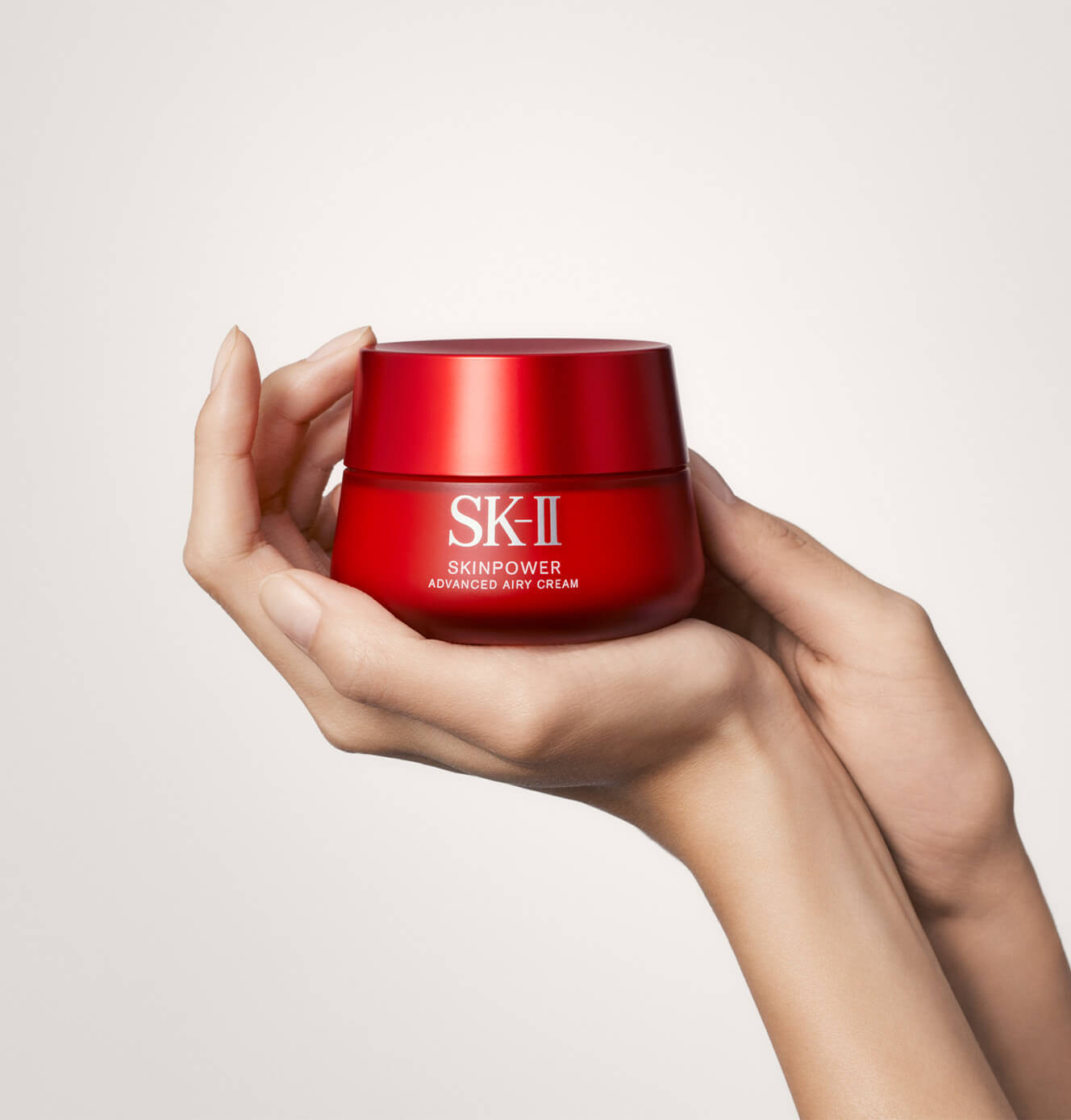
An airy light moisturizer for a youthful, healthy look.
Adequate, quality sleep is crucial to great skin, but what should you do if your busy schedule doesn’t allow for this? Try using an aroma diffuser in your room, or take a warm bath before bedtime, so that a more relaxed state of mind will help improve your sleep quality. Follow up with a sheet mask the next morning, or hydrate with a cotton pad soaked with moisturising lotion. This helps to keep the skin in optimal condition despite the lack of sleep.
Your diet has a direct impact on your skin condition, especially if you have a habit of snacking between meals. Make a switch from sweets, salty, oily, or fried snacks to the healthier option of fruits and/with yogurt. Remember that too much sugar can damage your skin so opt for sugar-free snacks wherever possible!
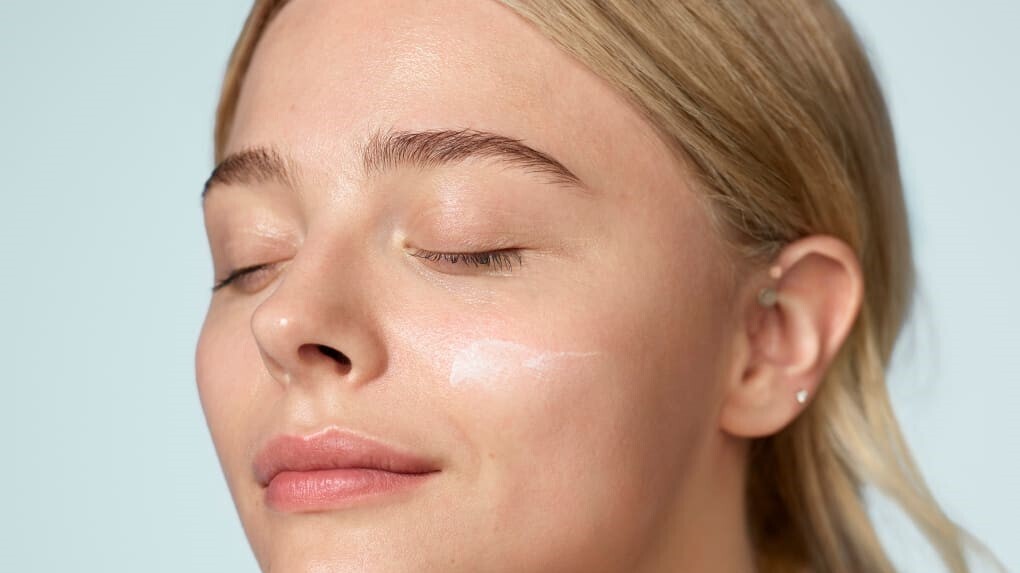
Aging is an unavoidable process in life. If you’re concerned about visible pores, then start your anti-aging skincare regime now! Use a serum and essence lotion to introduce moisture and firmness to your skin, and enjoy radiant, supple skin.
Just as Rome wasn’t built in a day, so the process of pore care and improving the skin texture will take time before you can see any results. Proper cleansing and moisturisation as part of your skincare regime will, over 6 months to a year, yield a more youthful-looking, smooth complexion.
Yumi Narasaki
Renowned Beauty Writer
As a beauty and cosmetics writer, Ms. Narasaki is actively involved in research in this field, with a special interest in how cutting-edge technology and new trends shape this industry. Ms. Narasaki is part of the editorial team for top Japanese publication, VOCE, and is a prolific online contributor to beauty-centric websites. She has also authored several publications in the field of beauty. In her spare time, Ms. Narasaki enjoys spending time outdoors and in particular, camping.
Skincare 101

Skin dryness damages the skin barrier which could lead to inflammation and blemishes. SK-II shares how to moisturise dry skin.

SK-II shares 5 simple tips for your anti-aging and anti-wrinkle skincare regime. Restore your youthful complexion today!